The origins of institutional care for the blind
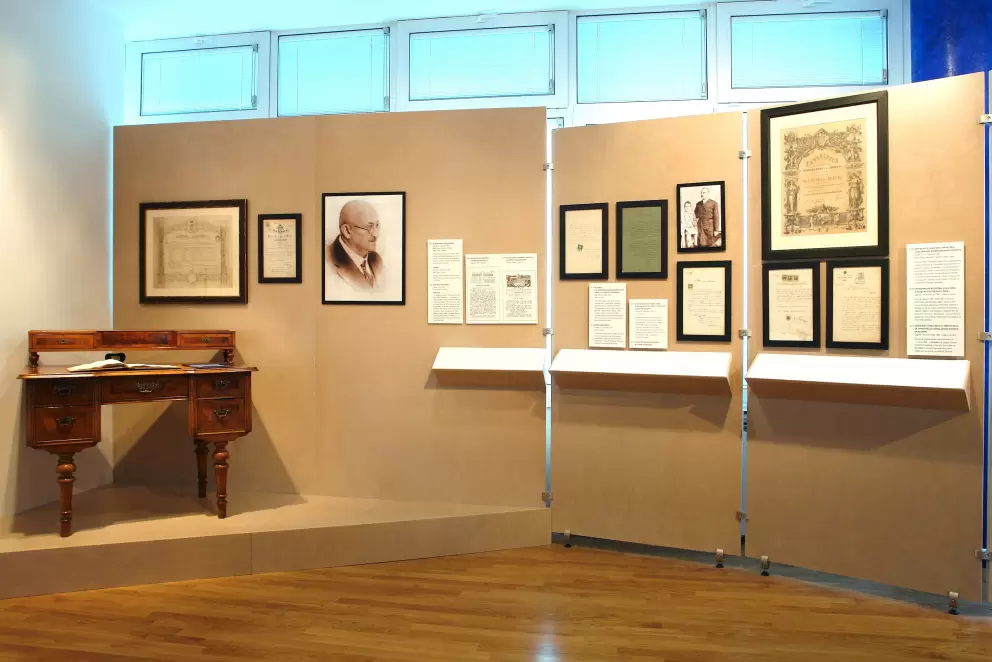
The first efforts to provide blind children in our region with access to education took place in the first half of the 19th century, when blind children were sent to the Imperial-Royal Educational Institute for the Blind in Vienna. It wasn't until the late 19th century that more favorable social conditions emerged to implement the idea of systematic education for the blind. Up to that point, the education of blind children in regular schools had been limited to individual cases, largely dependent on the good will of teachers.
In the Law on the organization of elementary and teacher training schools in Croatia and Slavonia of 14 October 1874, a provision was made to separate children with certain physical disabilities and those with mental illnesses from regular schools. Additionally, in places where conditions allowed, teacher trainees were to receive supplementary instruction on educational work with blind and deaf children.
After the publication of the work The Theory of Pedagogy by Stjepan Basariček in 1876, which addressed the issues of educating children with physical disabilities, interest in schooling for the blind began to grow. However, the idea of organized care for them would only come to fruition with the arrival of pedagogue and philanthropist Vinko Bek, whose work marked the beginning of a new era in the history of the education of the blind in our country.
The origins of institutional care for the blind
The first efforts to provide blind children in our region with access to education took place in the first half of the 19th century, when blind children were sent to the Imperial-Royal Educational Institute for the Blind in Vienna. It wasn't until the late 19th century that more favorable social conditions emerged to implement the idea of systematic education for the blind. Up to that point, the education of blind children in regular schools had been limited to individual cases, largely dependent on the good will of teachers.
In the Law on the organization of elementary and teacher training schools in Croatia and Slavonia of 14 October 1874, a provision was made to separate children with certain physical disabilities and those with mental illnesses from regular schools. Additionally, in places where conditions allowed, teacher trainees were to receive supplementary instruction on educational work with blind and deaf children.
After the publication of the work The Theory of Pedagogy by Stjepan Basariček in 1876, which addressed the issues of educating children with physical disabilities, interest in schooling for the blind began to grow. However, the idea of organized care for them would only come to fruition with the arrival of pedagogue and philanthropist Vinko Bek, whose work marked the beginning of a new era in the history of the education of the blind in our country.